












FREQUENTLY ASKED QUESTIONS
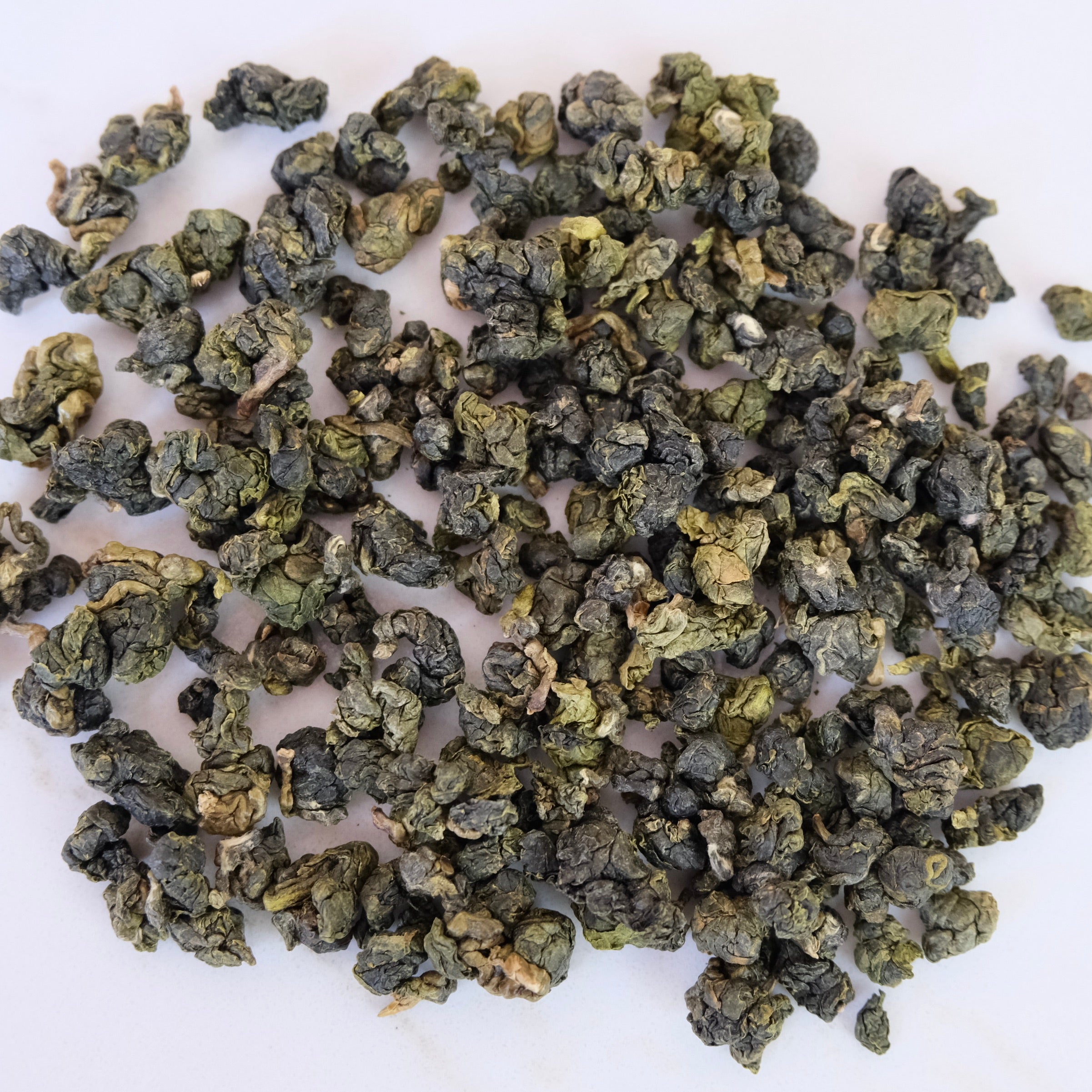
Camellia sinensis is the plant from which all true tea is made. Green tea, black tea, oolong tea, white tea, and pu-erh tea all come from this single plant. The differences between them come from how the leaves are processed after harvesting.
Herbal teas are made from various herbs, flowers, roots, or fruits and usually do not contain caffeine. Teas made from Camellia sinensis naturally contain caffeine and have a distinct flavor profile shaped by the tea plant itself.
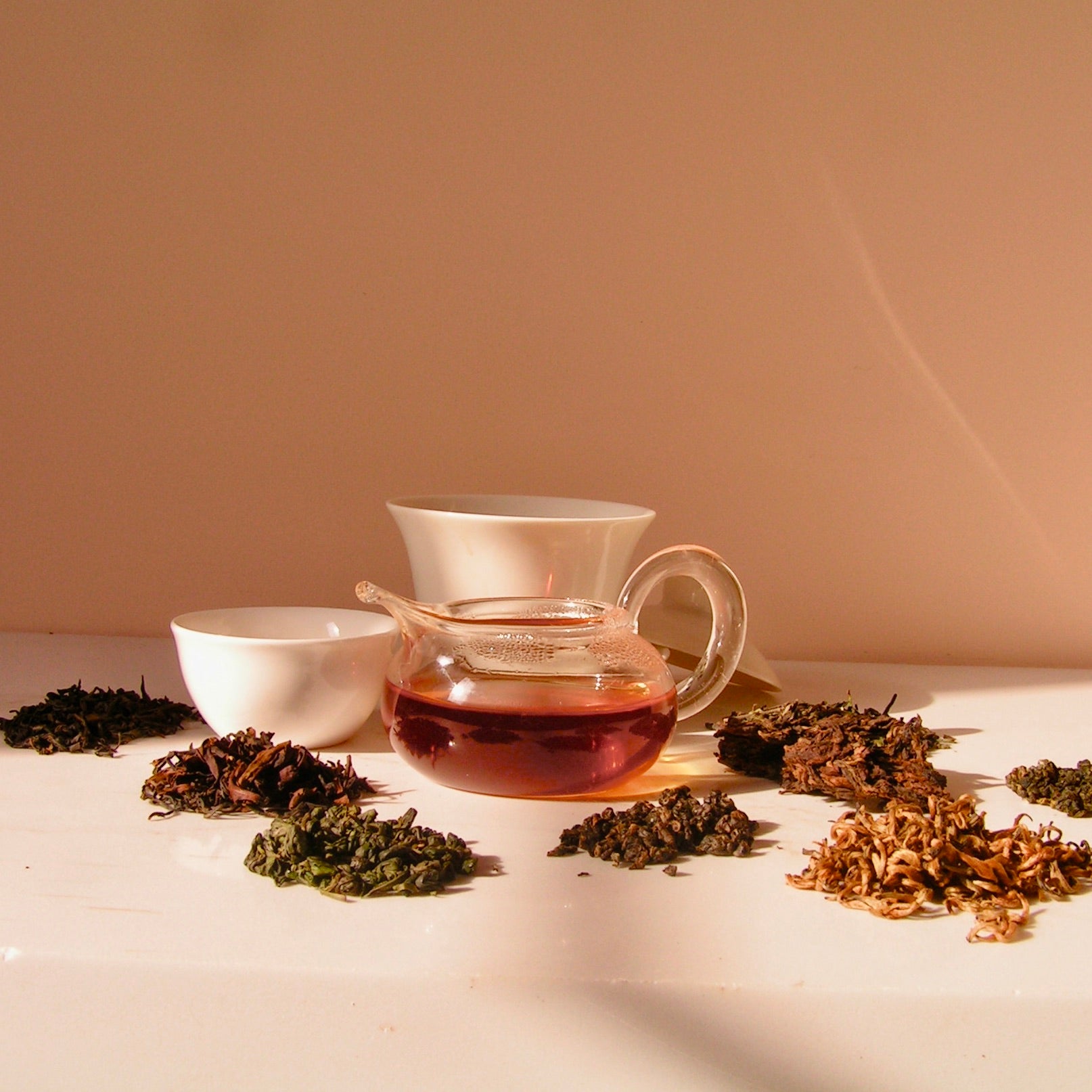
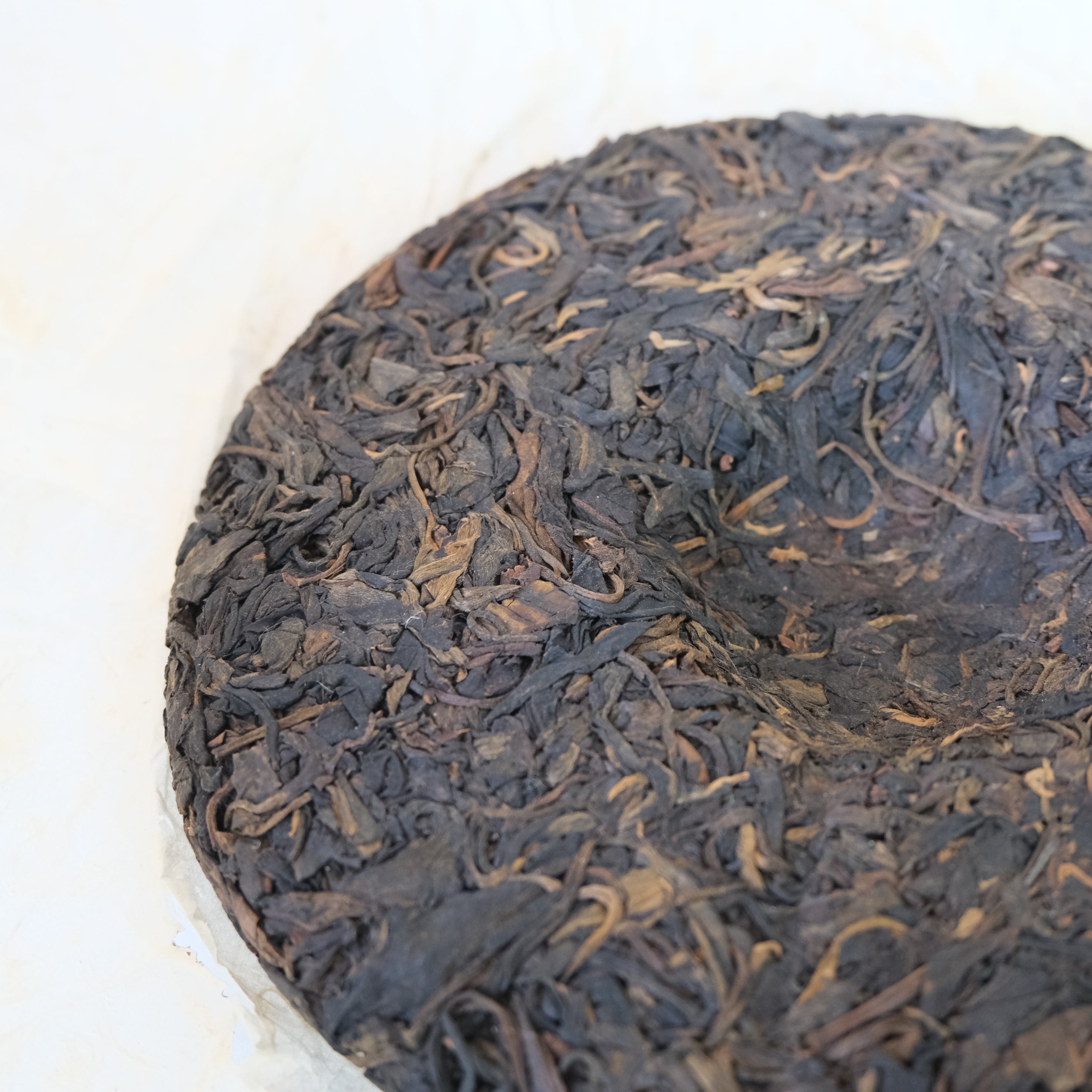
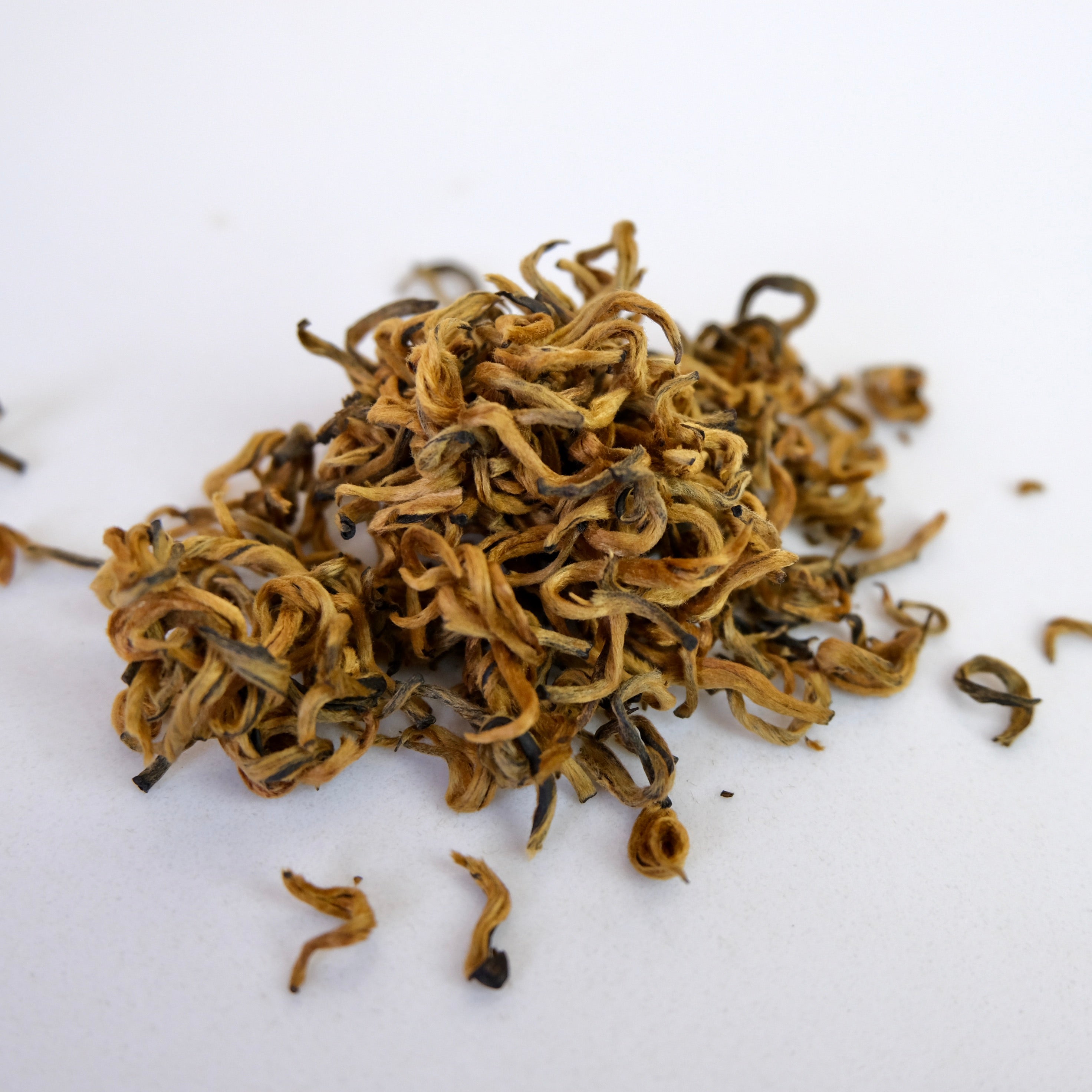
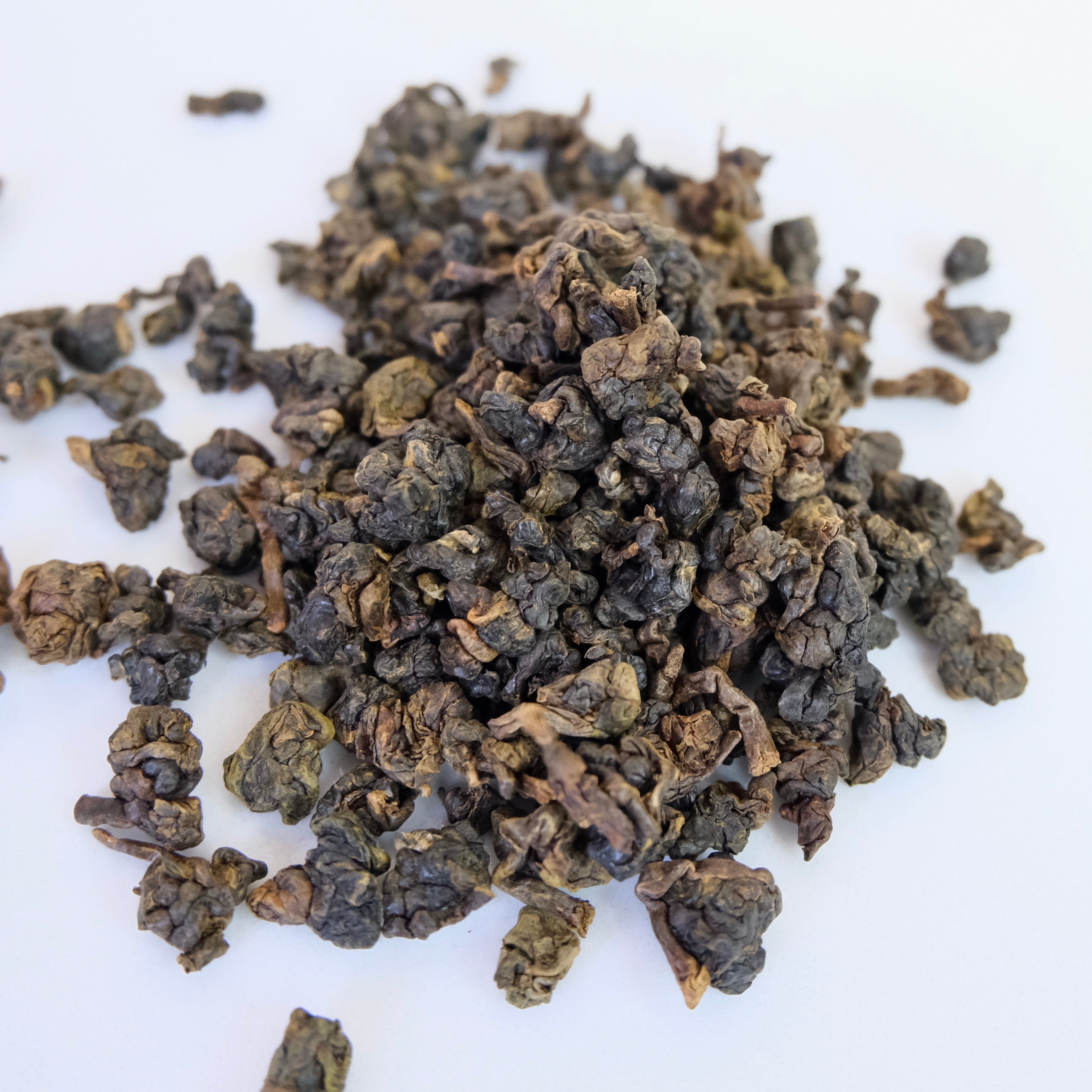
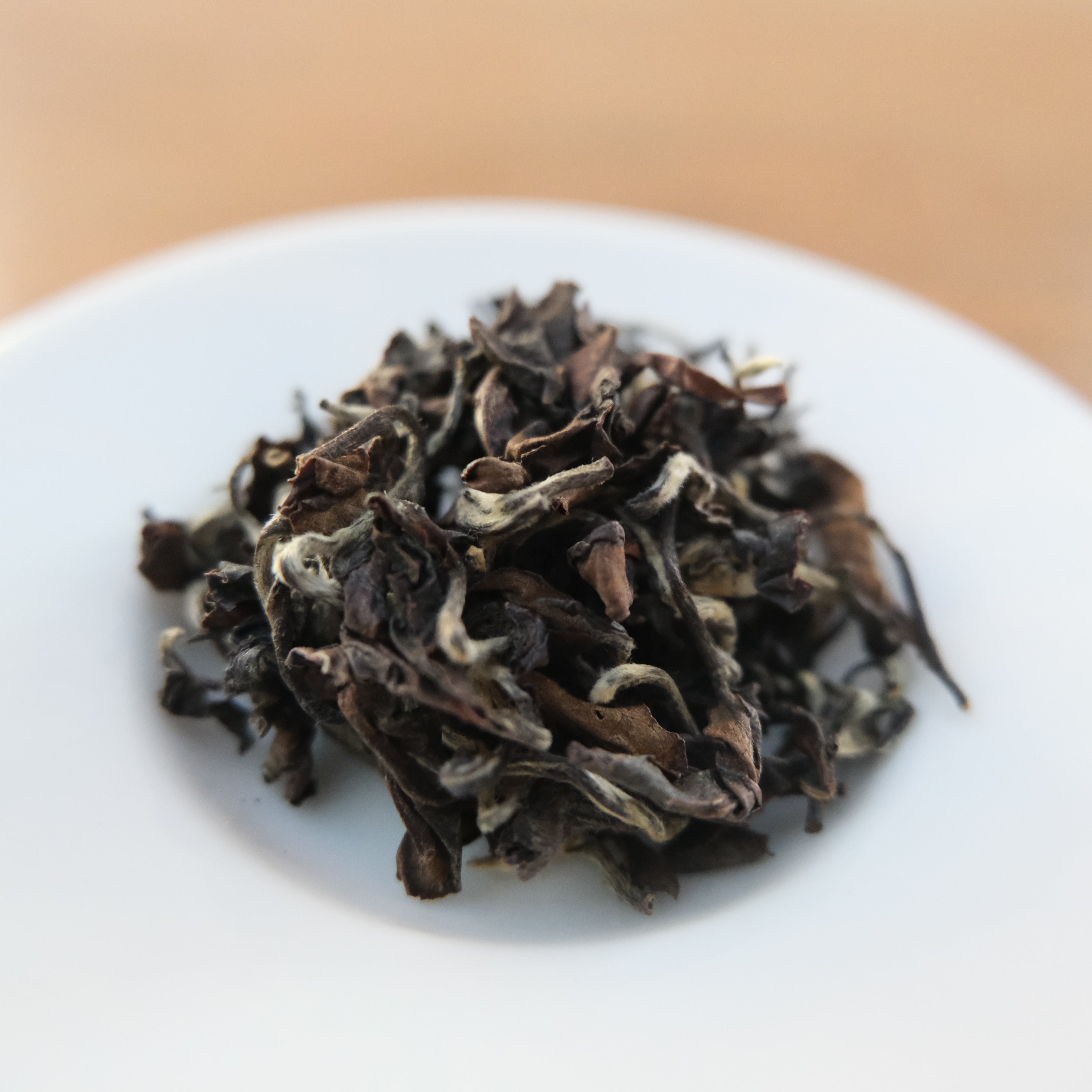
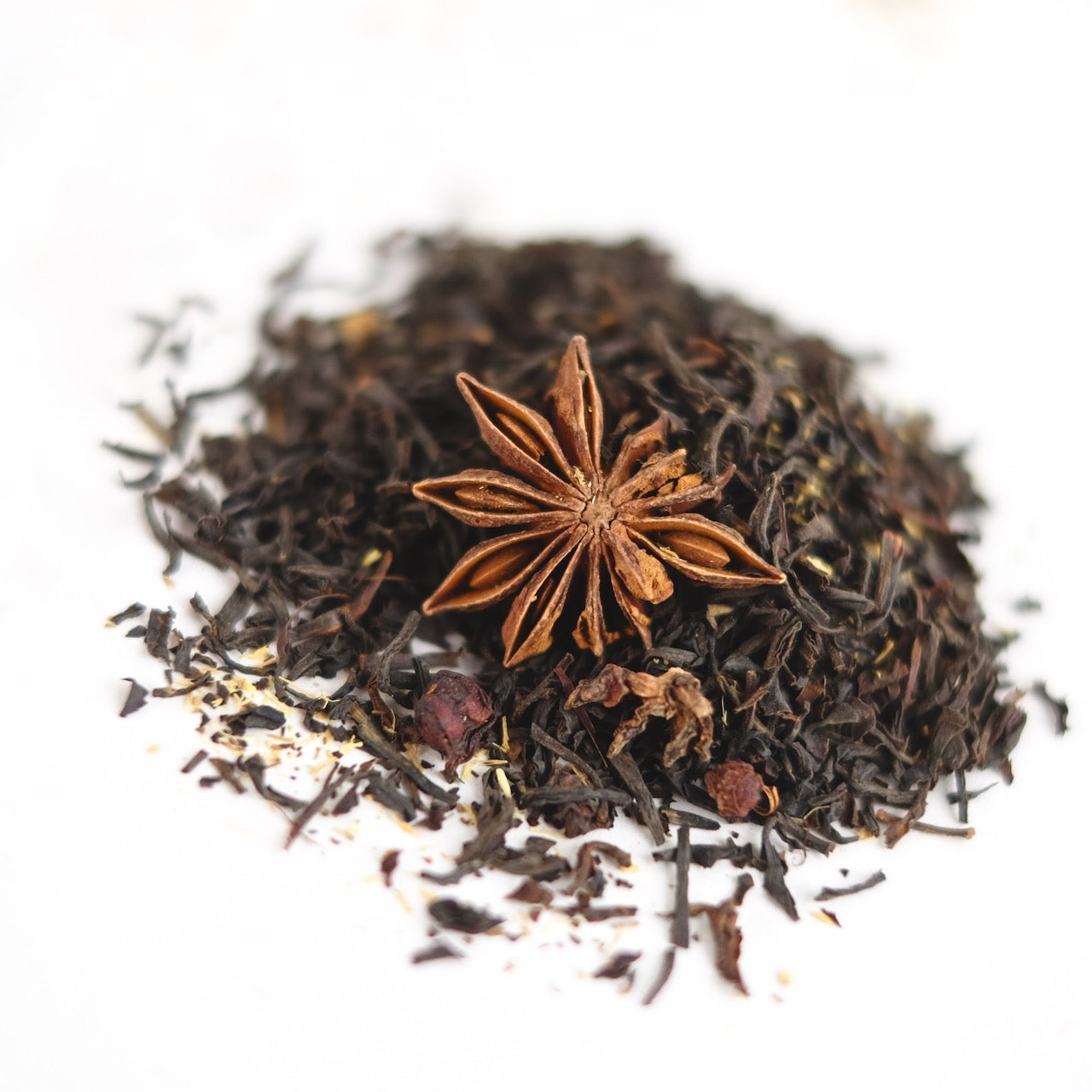
Common categories include: Green tea – lightly processed with fresh, grassy notes Black tea – fully oxidized with deeper, richer flavor Oolong tea – partially oxidized with complex floral and roasted notes White tea – minimally processed and delicate Pu-erh tea – aged or fermented with earthy depth
In addition to caffeine, tea naturally contains a variety of plant compounds. These include polyphenols (such as catechins and flavonoids), tannins, L-theanine (an amino acid associated with tea’s smooth character), trace minerals, and aromatic oils that contribute to tea’s flavor and aroma. The balance of these compounds varies depending on the type of tea and how it is processed.
A general method is: Use 1 teaspoon of loose tea per cup of water Heat water according to the tea type: Green/White: ~160–180°F (70–80°C) Oolong: ~185–200°F (85–93°C) Black: ~200–212°F (93–100°C) Steep for 2–5 minutes, depending on the tea and desired strength.
Yes. Teas made from Camellia sinensis naturally contain caffeine, though the amount can vary depending on the type of tea and brewing method.
Store tea in a cool, dry place away from light, moisture, and strong odors, ideally in an airtight container. Proper storage helps maintain the tea’s freshness and aroma.
Many high-quality loose-leaf teas can be steeped multiple times, with each infusion revealing slightly different flavors and aromas.
OUR MISSION
Inspired by the interconnectedness of human and environmental health we practice beyond-organic, ecological farming and ethical wildcrafting guided by permaculture.
We are committed to providing the highest quality medicinal, culinary and tonic herbs on the planet for the benefit of both human and environmental health, wellbeing, and resilience.
We take great care to ensure that all of the products we offer are comprised of only the highest quality, whole food ingredients. LEARN MORE.