
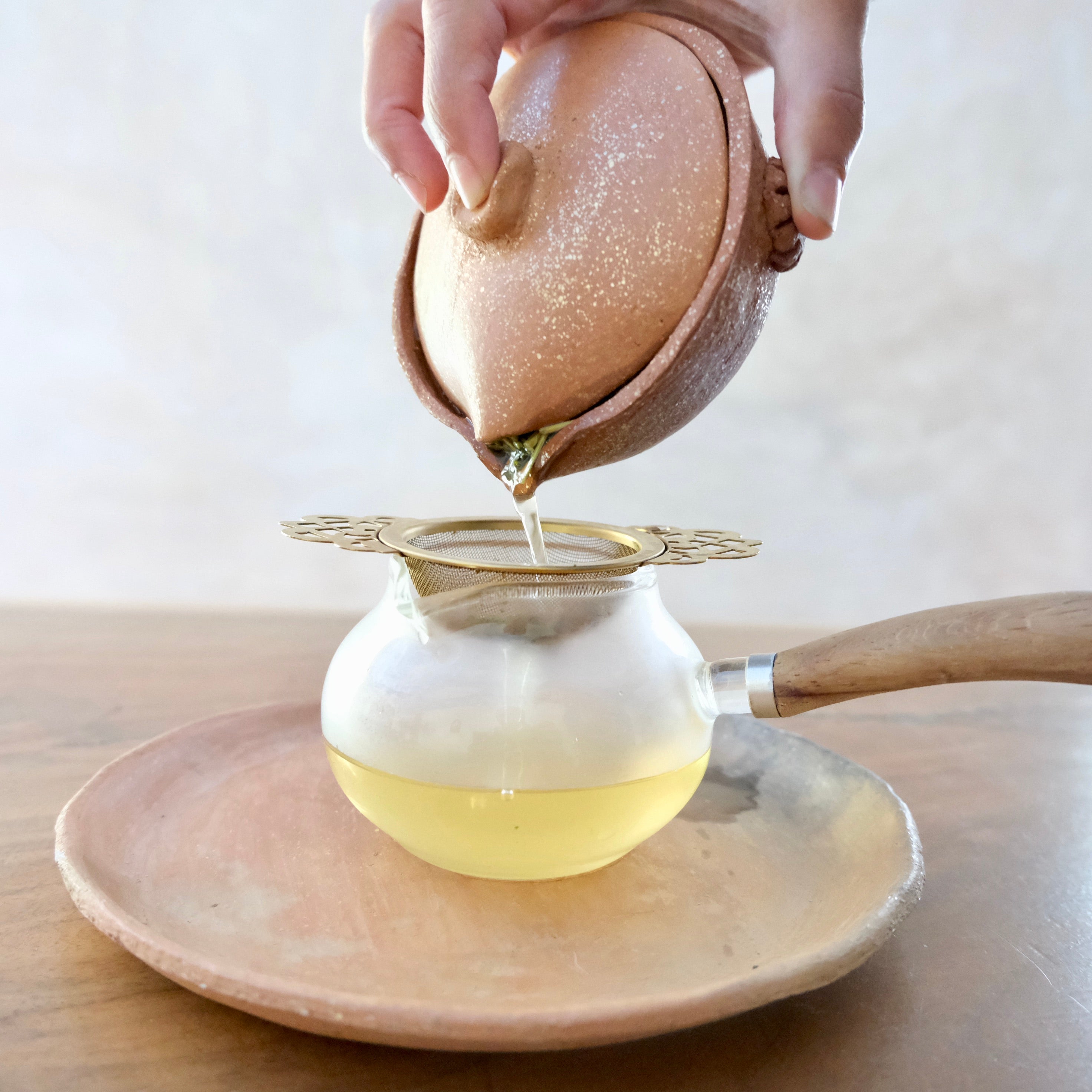
The Art of Brewing Tea: Gong Fu vs. Western Style
Tea is one of the most ancient and universally consumed products, yet the way it’s brewed can completely transform its character. Two of the most beloved approaches—Gong Fu style and Western style—offer very different experiences of the same leaves. One invites depth and ceremony; the other offers simplicity and ease.
🌿 What Is Gong Fu Tea Brewing?
“Gong Fu” (功夫) roughly translates to skill achieved through effort. In tea, it means brewing with intention, precision, and attention to detail.
Rather than making one large cup, Gong Fu brewing uses multiple short infusions to gradually reveal the tea’s layers.
Key Characteristics:
- High leaf-to-water ratio
- Small teapot or gaiwan
- Very short steep times
- Many successive infusions
🍵 Gong Fu Setup
Typical tools:
- Gaiwan or small teapot
- Fairness pitcher (optional)
- Small tasting cups
- Kettle
- Tea tray (optional but helpful)
🔥 How to Brew Gong Fu Style
- Heat your water
Adjust temperature based on tea type (e.g., lower for green, higher for oolong or puer). - Warm your vessels
Pour hot water into your teapot and cups, then discard. - Add tea leaves
Use a generous amount—often filling 1/3 of the vessel for oolong, approx. 5 g. - Rinse the leaves (optional)
Quickly pour hot water over the leaves and discard. This awakens the tea. - First infusion (5–15 seconds)
Pour and immediately decant. - Repeat infusions
Gradually increase steep time with each brew.
🌸 What You Experience
Gong Fu brewing reveals tea like a story unfolding:
- First steeps: light, aromatic
- Middle steeps: full-bodied, complex
- Final steeps: soft, lingering sweetness
☕ What Is Western Tea Brewing?
Western-style brewing is what most people are familiar with: a teapot or mug, a longer steep, and one full extraction.
It’s straightforward, practical, and perfect for daily life.
🫖 Western Setup
Typical tools:
- Teapot or mug
- Tea infuser or bag
- Kettle
🔥 How to Brew Western Style
- Heat your water
- Green tea: ~70–80°C
- Black tea: ~90–100°C
-
Herbal: boiling
- Add tea leaves
-
About 1 teaspoon per cup
- Steep
- Green: 2–3 minutes
- Black: 3–5 minutes
-
Herbal: 5–10 minutes
- Remove leaves and enjoy
🌼 What You Experience
Western brewing gives you:
- A single, balanced cup
- Stronger initial extraction
- Convenience and consistency
🌱 Gong Fu vs. Western: A Comparison
|
Aspect |
Gong Fu Style 🌿 |
Western Style ☕ |
|
Leaf Quantity |
High |
Moderate |
|
Steeping Time |
Short, repeated |
Long, single steep |
|
Flavor Journey |
Evolving over many infusions |
One full expression |
|
Equipment |
Specialized |
Simple |
|
Experience |
Meditative, ritualistic |
Practical, everyday |
🌸 Which Should You Choose?
It depends on what you’re seeking.
- Choose Gong Fu when you want to slow down, explore a tea deeply, and experience its changing nature.
- Choose Western style when you want comfort, simplicity, and a reliable daily cup.
Many tea lovers use both—Gong Fu for special teas like oolong or puer, and Western brewing for morning black tea or herbal blends.
🍃 A Final Thought
Tea meets you where you are.
Some days call for stillness and quiet pours; others for a warm mug in your hand as life moves quickly around you. Neither way is “better”—each is a doorway into the same ancient leaf.


