Reishi Mushroom - The Heart of the Forest
Reishi: The Heart of the Forest
In the shaded stillness of old forests, on fallen hardwood logs softened by time, grows a mushroom long revered not for bold flavor or culinary flair, but for something far more subtle: endurance, balance, and deep restoration. Known scientifically as Ganoderma lucidum, reishi has earned names like the “mushroom of immortality” and the “spirit mushroom”—titles that speak to its long-standing place in traditional wellness.
A Different Kind of Nourishment
Unlike many herbs that act quickly or stimulate noticeable effects, reishi is quiet, its influence is gradual, cumulative, and deeply rooted in the idea of supporting the body over time rather than pushing it in any one direction.
Traditionally, reishi has been valued for helping the body adapt; supporting resilience in the face of stress, fatigue, and imbalance. It is often described as:
-
Grounding rather than energizing
-
Restorative rather than stimulating
-
Balancing rather than forceful
This makes it especially suited to modern life, where overstimulation and chronic stress are common.
The Energetics of Reishi
In traditional Eastern systems, reishi is considered a tonic for the heart and spirit. It is said to calm the mind, deepen rest, and support emotional steadiness.
There is a certain gravity to reishi—a sense that it draws things inward:
-
Scattered thoughts become more settled
-
Tension softens into a quieter awareness
-
Energy becomes more sustainable, less reactive
Rather than lifting you up, reishi roots you down.
Bitter, Beautiful Medicine
Reishi is not a mushroom you sauté for dinner. Its texture is woody, and its taste is distinctly bitter—an important clue to its nature.
Bitterness in herbal traditions is often associated with:
-
Clearing heat and excess
-
Supporting digestion and metabolic processes
-
Encouraging the body to reset its rhythms
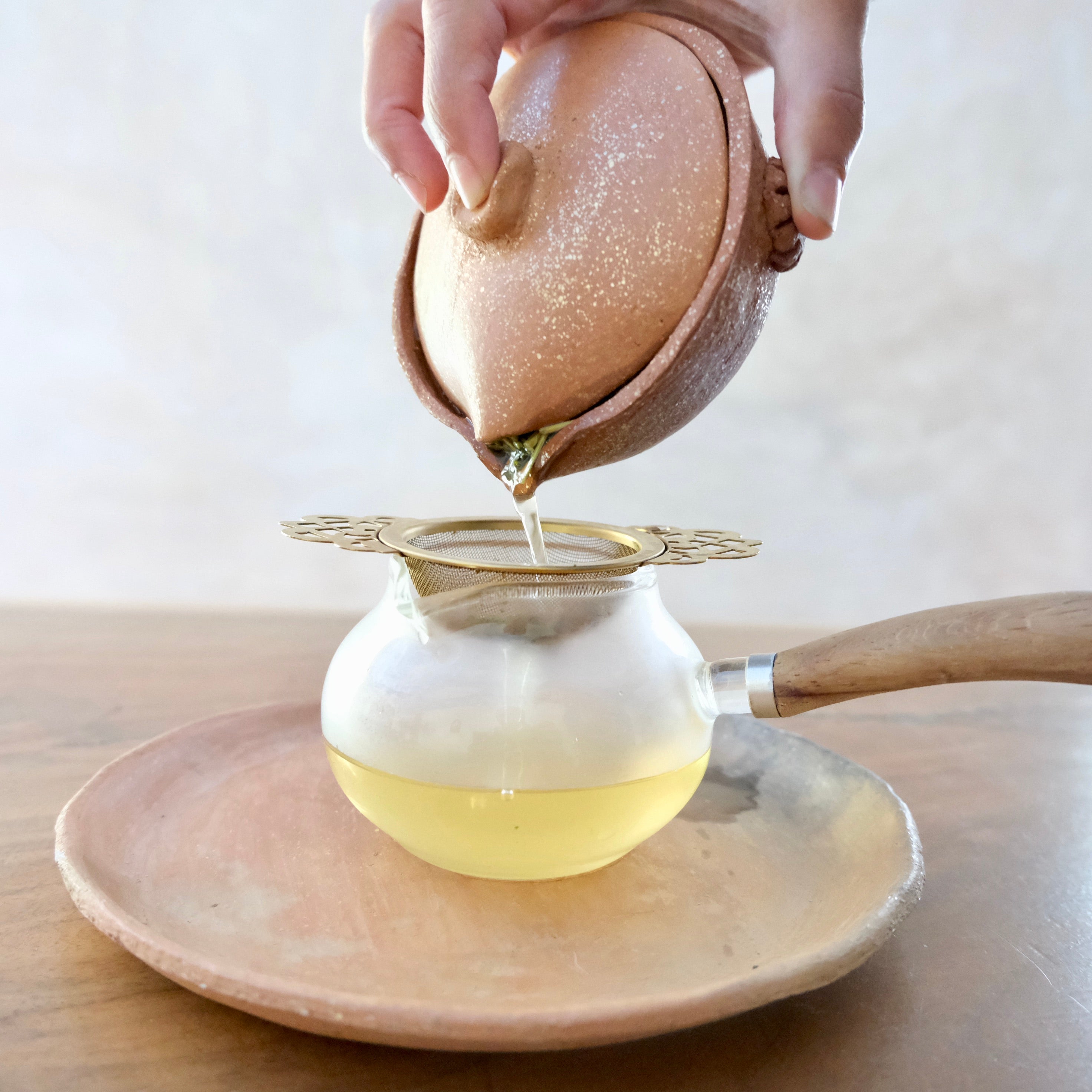
Prepared as a long decoction (simmered over time), reishi yields a dark, rich liquid— a forest elixir. The flavor is strong, but for many, it becomes a kind of acquired daily tonic: a return to something grounding and real.
A Companion for the Long Path
Reishi is best understood not as a quick remedy, but as a companion herb—something taken consistently over weeks or months.
It is often turned to for:
-
Supporting the body’s stress response
-
Encouraging restful sleep and calm focus
-
Promoting long-term resilience and vitality
Its effects are subtle, but they build. Over time, many people describe not a dramatic change, but a shift in baseline—a steadier, more centered way of being.
Reishi and the Rhythm of Nature
There is something fitting about reishi’s place in the ecosystem. It grows on decay—on fallen trees returning to the earth—transforming what is ending into something sustaining.
In that sense, reishi reflects a deeper truth: that restoration often comes not from constant growth, but from integration, rest, and renewal.
Bringing Reishi Into Daily Life
Reishi can be taken in several forms:
-
Herbal infusions and Decoctions: simmered slices or chunks for a traditional preparation
-
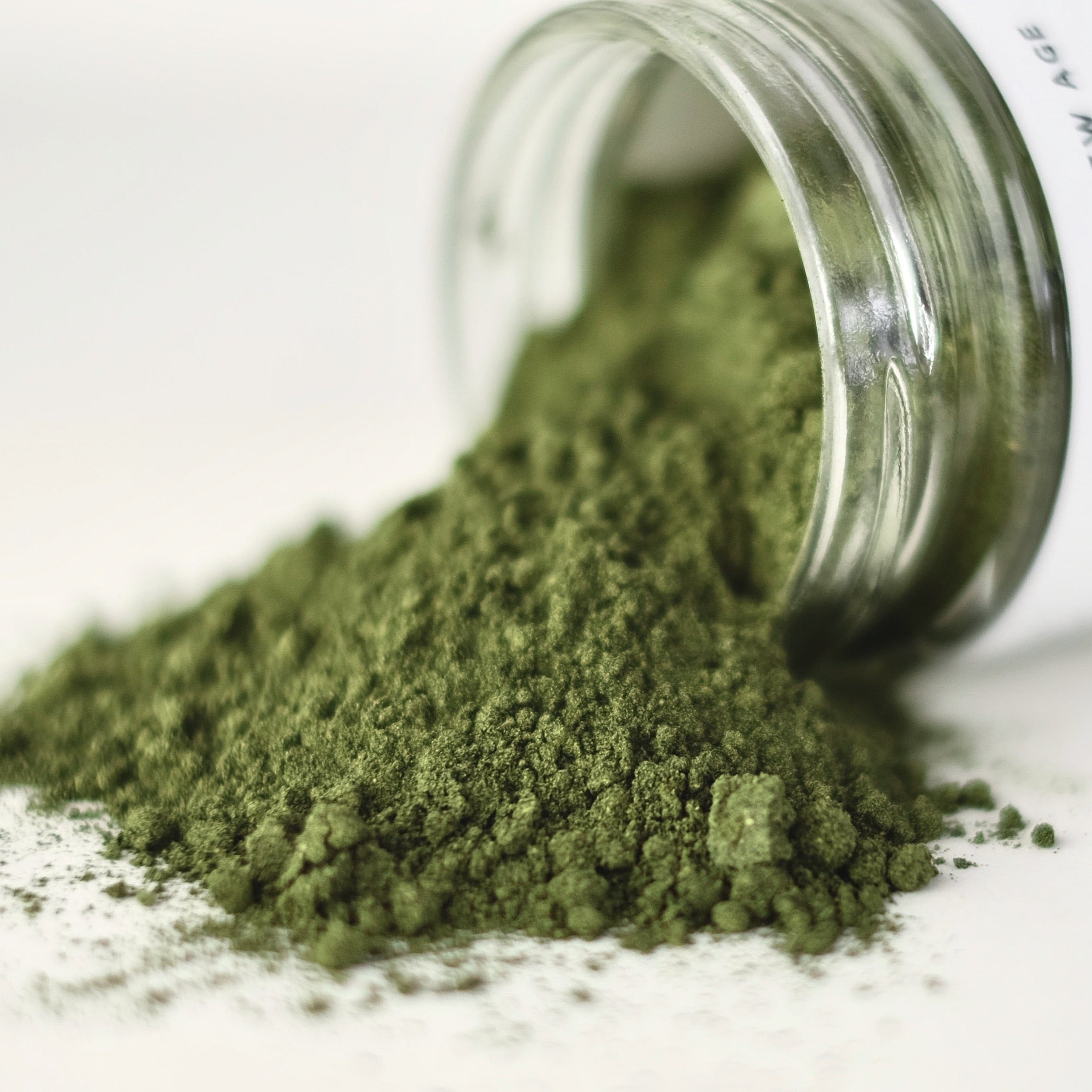
Powders: added to teas, broths, or tonics
-
Extracts and tinctures: more concentrated and convenient
However it is prepared, the key is consistency. Reishi reveals itself over time.
A Final Reflection
In a culture that often seeks quick results and immediate effects, reishi offers something different—an invitation to slow down, to nourish deeply, and to trust in gradual transformation.
Reishi is an integral component of many of our products, from herbal teas to serums.
Check out our products that feature reishi HERE