The Visionary Herbalism of Saint Hildegard of Bingen
In the twelfth century, long before herbalism was separated into science, folklore, and spirituality, St. Hildegard of Bingen saw the natural world as a single, living expression of divine vitality. For her, plants were not merely medicinal substances they were bearers of a sacred force she called viriditas.
The Meaning of Viriditas: The Greening Power
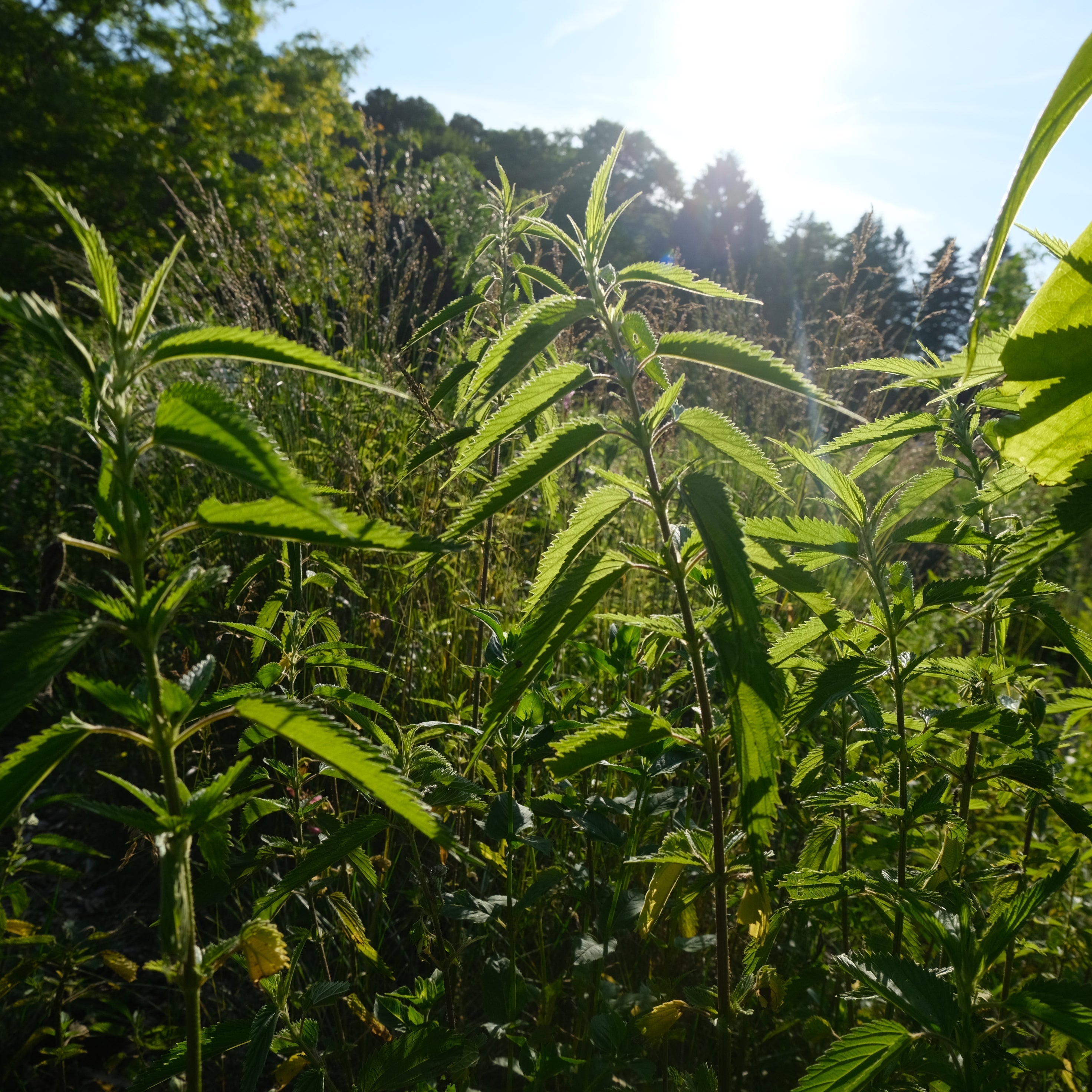
Viriditas is often translated as “greenness,” but its meaning is far richer. It is the life-force that animates all growing things; the sap rising in trees, the tender shoots breaking through soil, the inner vitality that sustains both body and soul.
For St. Hildegard, this greening power was not metaphor alone. It was a real, divine energy that flowed through creation:
-
In plants, it expressed itself as growth and healing potency
-
In humans, it appeared as vitality, health, and spiritual aliveness
-
In the soul, it became joy, creativity, and connection to God
To lose viriditas was to become dry—physically, emotionally, spiritually. To restore it was to return to harmony.
A Visionary Herbalism
St. Hildegard’s approach to herbalism was unlike the strictly empirical systems that would come later. While she observed the effects of plants carefully, her understanding came through a synthesis of:
-
Direct observation of nature
-
Theological reflection
-
Mystical visions
Her major works, Physica and Causae et Curae, outline the properties of herbs, foods, and elements—not just in terms of physical effects, but in how they influence the balance of the whole person.
Plants, in her view, carried qualities of warmth, coolness, moisture, dryness and vitality that could either restore or disrupt harmony depending on how they were used.
Healing as Restoration of Harmony
Rather than targeting symptoms in isolation, St. Hildegard saw illness as a kind of imbalance—a disruption of the natural flow of viriditas. Healing, then, was not about forcefully correcting the body, but about gently guiding it back into alignment.
Her herbal recommendations often worked on multiple levels:
-
Supporting digestion and circulation
-
Clearing what she saw as “dampness” or stagnation
-
Encouraging emotional and spiritual balance
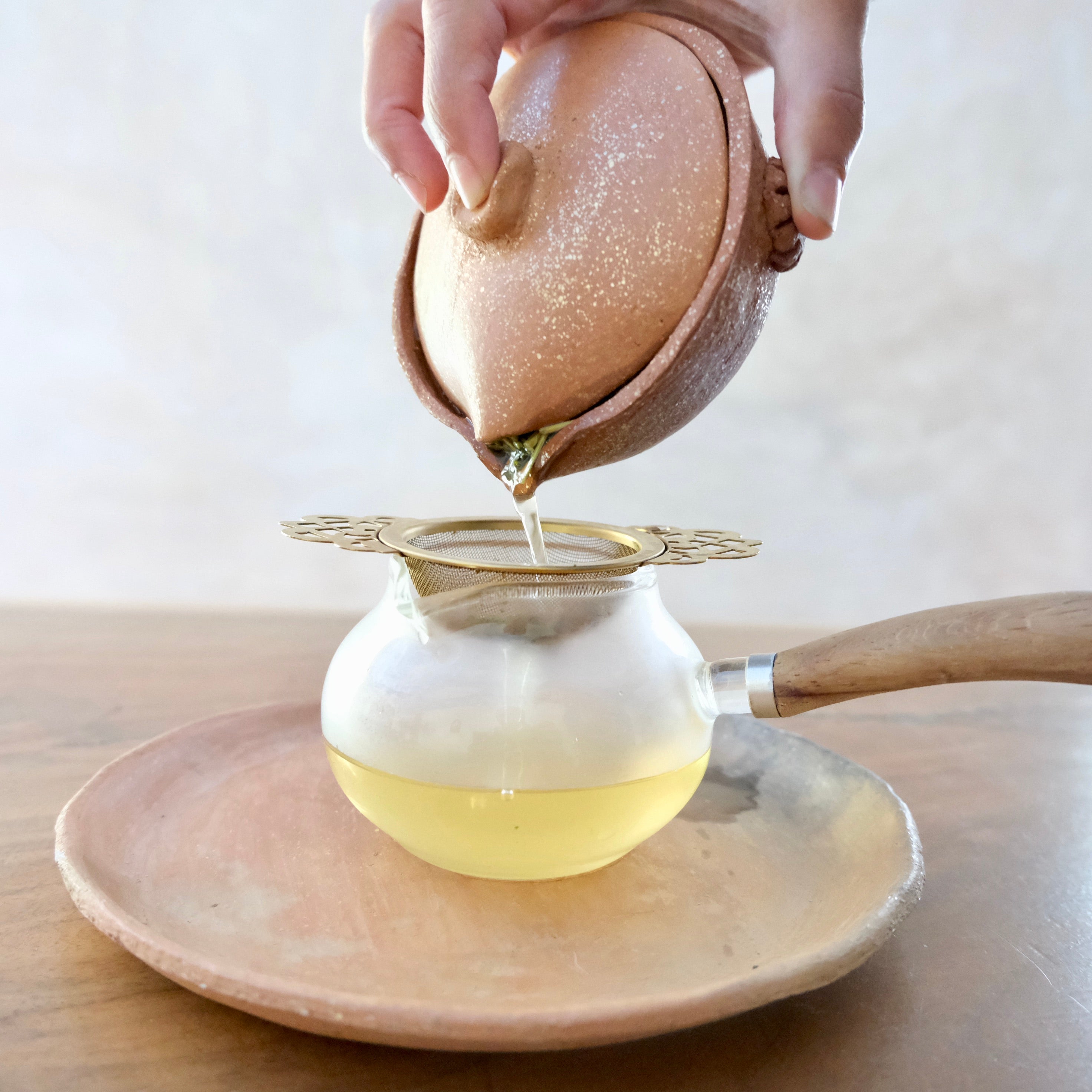
Even something as simple as a warm herbal infusion was, for her, an act of cooperation with the living intelligence of creation.
The Garden as a Sacred Space
St. Hildegard’s monastery gardens were more than places of cultivation, they were places of encounter.
To tend herbs was to participate in viriditas, to witness and assist the greening force at work. Every leaf, root, and flower was part of a larger, sacred ecology.
This perspective invites a different way of relating to herbs today. Instead of seeing them purely as products or ingredients, we can begin to see them as living expressions of vitality, partners in our own renewal.
Relevance for Today
In a modern world that often separates body from spirit and medicine from meaning, St. Hildegard’s vision feels both ancient and strikingly fresh.
Her concept of viriditas reminds us that:
-
Health is not just the absence of illness, but the presence of vitality
-
Healing involves reconnecting with natural rhythms
-
Plants offer more than chemical constituents—they offer relationship
When we drink an herbal tea, walk through a garden, or even notice the first green shoots of spring, we are encountering the same force St. Hildegard described nearly a thousand years ago.
A Living Invitation
To embrace Hildegard’s herbalism is not to abandon modern knowledge, but to deepen it; to remember that behind every remedy is a living world offering its greenness.